Geoff Bennett:
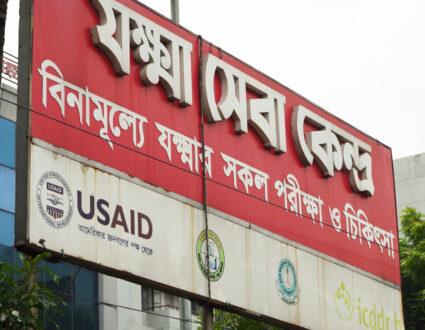
Soon after taking office 15 months ago, the Trump administration dismantled the $40 billion U.S. Agency for International Development. Days later, Secretary of State Marco Rubio issued an exemption for what he described as lifesaving humanitarian assistance.
But what that exemption covered was never clearly defined, and, in practice, funding for health programs has been sharply reduced.
Our Fred de Sam Lazaro begins a two-part report from the East African nation of Uganda.
Fred de Sam Lazaro:
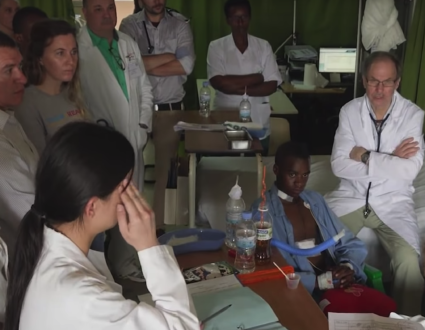
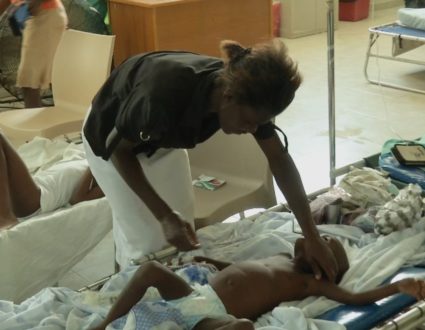
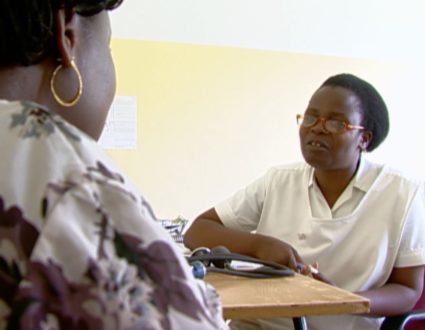
It’s near the start of another day for Dr. Otim Pius in the HIV clinic of McConnell hospital.
Dr. Otim Pius, Medical Officer:
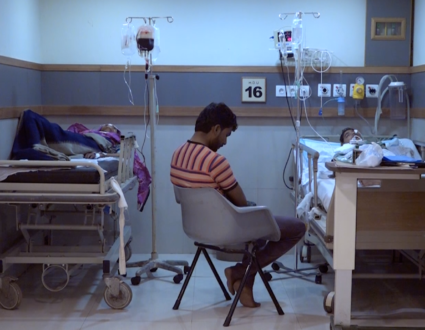
We used to have about four doctors working in the clinic, but, right now, I am alone. We have about 3,200 patients. It is impossible for me to see all of them.
Fred de Sam Lazaro:
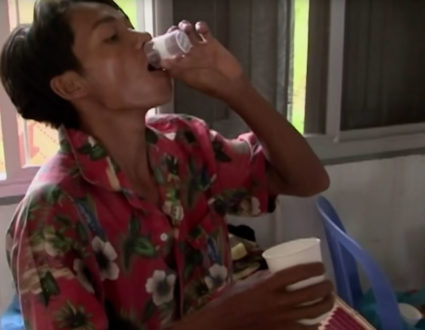
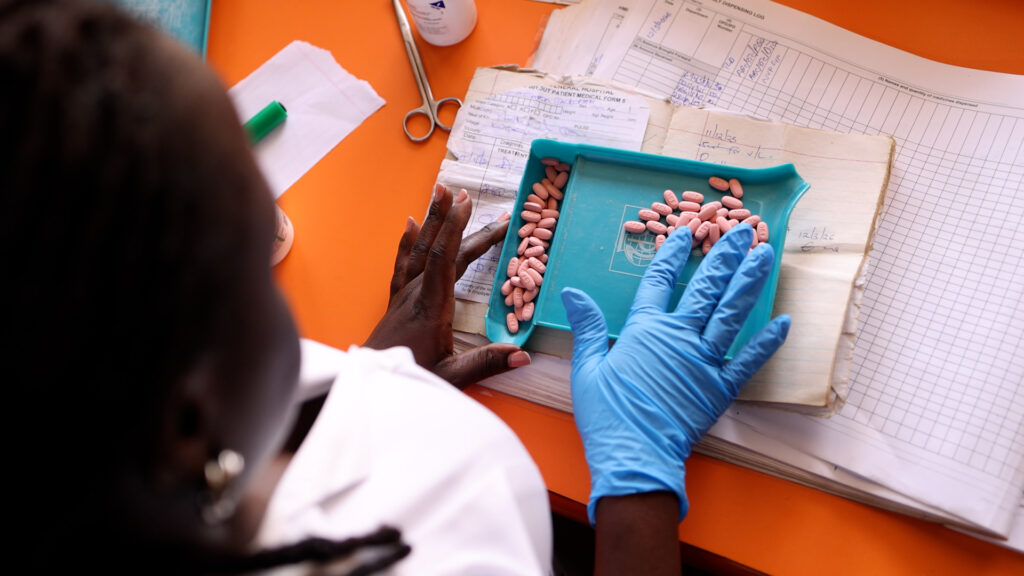
His patients are among millions across Africa who have received treatment and lifesaving antiretroviral drugs for HIV under PEPFAR, a program begun in 2003 by the George W. Bush administration.
It all ground to an abrupt halt at the start of the second Trump administration. It shut down USAID and issued a stop-work order across all aid programs. Dr. Pius says HIV incidents and mortality rates more than doubled.
Dr. Otim Pius:
For both HIV and also HIV-associated illnesses, like T.B., like meningitis, close to 15 percent of the clients dying of malaria and T.B. It is very painful to lose someone of a treatable disease.
Fred de Sam Lazaro:
The numbers began to trend downward, closer to 10 percent, after an exemption was issued for certain life-sustaining programs. These included various HIV drugs.
Dr. Otim Pius:
It is still high, but it is lower than during that time.
Fred de Sam Lazaro:
That’s because, even though many, though not all, formulations of HIV medications were replenished, programs to actually get them to patients were not restored.
Having HIV drugs available at the health center does not necessarily mean they’re accessible, especially for patients in isolated rural communities, so-called last mile. Transportation, even if it’s just $10 a month, is out of reach for many people here.
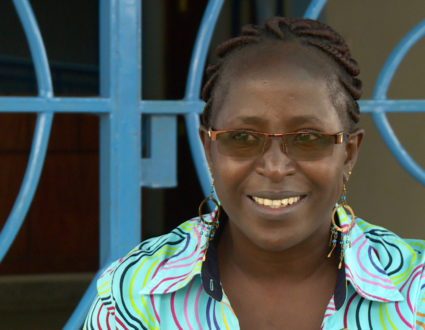
Marjorie Namale, Executive Director, SIKYOMU Development Organization:
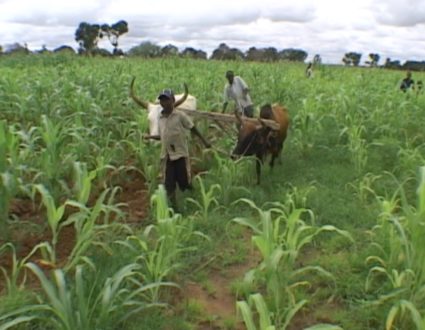
the poverty levels are high in our communities. These are fishing communities. They don’t have stable incomes here. So, one of the reasons why the girls sell their bodies is to be able to earn a living.
Fred de Sam Lazaro:
Marjorie Namale runs a nongovernment enterprise that was supported by USAID, serving remote villages near Lake Victoria, counseling young women on safe sex, offering training in basic work skills, and, critically, making sure they got testing in medicines for HIV, prevention or treatment and transportation money to get to a health center.
All of that is now gone?
Marjorie Namale:
All of that is gone.
Fred de Sam Lazaro:
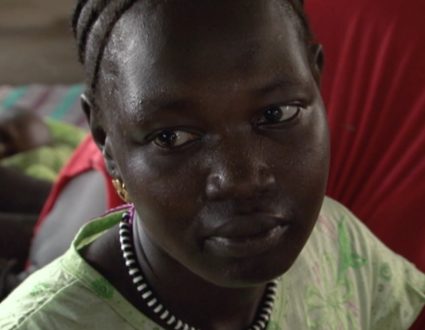
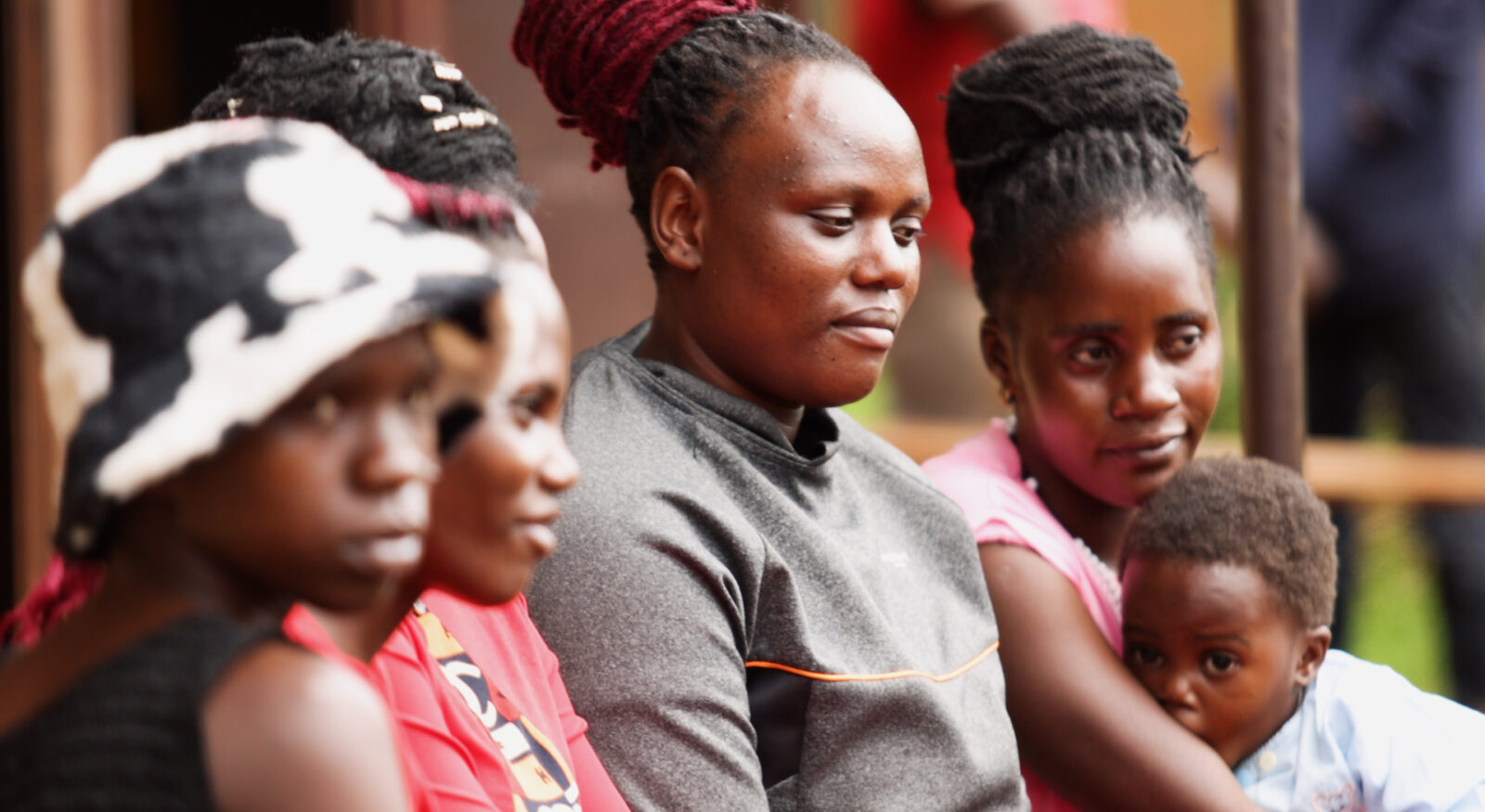
She took me to visit some of her now former clients. These women in their early 20s shared similar worries.
Woman (through interpreter):
They used to give us family planning. That’s my anxiety right now. How do I protect myself from getting a child? I can’t access condoms.
Woman (through interpreter):
I was just learning how to do hair braiding, but halfway through the journey, the fund was closed. I didn’t learn much. I don’t have anything.
Woman (through interpreter):
I was very hopeful that I’m going to learn hairdressing. At least I would have something to do to earn a living. But when Trump closed everything, that hope was gone.
Fred de Sam Lazaro:
All of these women are considered at high risk for HIV, Namale says, but none have been tested. Many of her former HIV-positive clients are no longer taking their medications; 53-year-old grandmother Catherine had been off them four months when we visited.
Unable to afford transport to the regional health center, she tried a private clinic.
Catherine Natembo, Former Aid Recipient (through interpreter):
I had also been getting pills for high blood pressure. I went to a nearby clinic,and it was 180. They told me to come back with 10,000 shillings, which I don’t have.
Fred de Sam Lazaro:
That’s about $3 and roughly the subsidy that Namale’s clients received for transportation to health centers, where care is provided at no charge; 23-year-old Joan has been off and on her regimen of HIV drugs, causing several side effects.
In her case, Namale discovered even when Joan was getting transportation money, she sometimes spent it on food for her siblings.
Marjorie Namale:
Some money was diverted.
Fred de Sam Lazaro:
A stark measure of many patients’ predicament, she says, choosing between food and medicines.
Marjorie Namale:
Two months of the drug, six months of the drug, when they feel they’re doing badly, they will find a way of how to maybe get — borrow from neighbors, transport.
Fred de Sam Lazaro:
So the patients crowd in clinics like Dr. Pius’, come in sicker.
Peter Waiswa, Makerere School of Public Health The workers, a lot of the workers in HIV clinics were paid by Americans. The follow-up and the community systems, those were quite badly affected. And I think they have not recovered.
Fred de Sam Lazaro:
Peter Waiswa, health researcher at Makerere University, says the USAID cutbacks were a painful reminder of the heavy dependence on foreign aid. He says many African governments long ago pledged to spend at least 15 percent of their national budget on health care. Most have fallen way short.
Peter Waiswa:
Somewhere between 4, 5, at most 6 or 7, and sometimes actually dropping. It’s time for African governments to really step up and finance their systems.
Marco Rubio, U.S. Secretary of State: True assistance is self-sustainability.
Fred de Sam Lazaro:
That echoes a message from the Trump administration, which is revamping the U.S. approach to health care assistance. It requires African countries to chip in an increased share of the costs in exchange for grants from the U.S.
Several countries have signed agreements under what’s called the America First Global Health Strategy. That story in our next report.
For the “PBS News Hour,” I’m Fred de Sam Lazaro in Mukono, Uganda.
Reaching the Vulnerable
In 2025, the Trump administration dissolved the $40 billion U.S. Agency for International Development, or USAID. Days later, an exemption for “life-saving humanitarian assistance” was issued. But what that included was not specified and aid for health programs has been drastically reduced. Many of the programs that were not restored helped connect impoverished HIV positive patients in rural areas to health clinics. In this story, we report from Uganda where there has been a spike in disease-related deaths since the cut.

Having HIV drugs available at the health center does not necessarily mean they’re accessible
Transportation, even if it’s just $10 a month, is out of reach for many people here.